
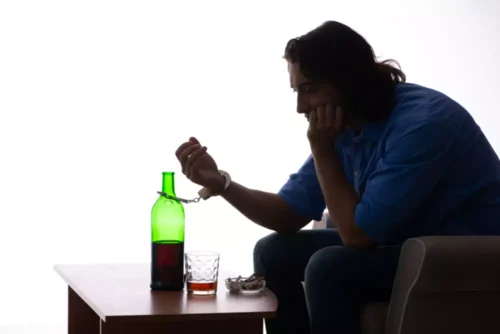
In theory, setting one big giant goal of “never drinking again” makes sense. Unfortunately, immediately setting your mind to achieving this one and only Substance abuse hard-and-fast goal is why many people struggle to quit drinking or why they relapse early on in their recovery journey. You have places, people, and events that are tied to drinking.
- Take the assessment and get matched with a therapist in as little as 48 hours.
- Lasting changes in the brain caused by alcohol misuse perpetuate AUD and make individuals vulnerable to relapse.
- Relative to those who have less than one drink per week, men who have two or more drinks per day increase their lifetime risk of cancer by 3.1%, and that number goes up to 5.3% for women.
- Call or text a friend and have your goals handy to remind yourself why you’ve dropped drinking.
- Maybe you could start writing a shopping list in advance of a trip to the supermarket – if there’s no alcohol on the list, you will be less tempted to buy some.
- Same goes for a straight-up cocktail versus a beverage like a spritz or a mixed drink, which has a lower alcohol by volume, or ABV.
Body Scan Meditation
Even once the alcoholic is sober, many things around him may entice him to drink; these are called triggers. Triggers are any thing, place, person or situation that creates a craving in the alcohol addict to drink. Cravings may also occur due to stress or no discernable reason at How to Stop Drinking all.
Setting Healthy Boundaries in Relationships

Rehab or professional treatment can get you started on the road to recovery, but to stay alcohol-free for the long term, you’ll need to build a new, meaningful life where drinking no longer has a place. These symptoms may start a few hours or a few days after your last drink of alcohol. Sometimes, symptoms may be severe enough to require medical treatment at a hospital or rehabilitation facility.
How To Decenter Alcohol From Your Social Life
Whether you choose to tackle your alcohol addiction by going to rehab, getting therapy, or taking a self-directed treatment approach, support is essential. Recovering from alcohol addiction or abuse is much easier when you have people you can lean on for encouragement, comfort, and guidance. Some people with a long history of alcohol misuse may start to experience seizures, which peak around 10 hours then taper off and subside entirely within 2 or 3 days. Minor, moderate, and severe withdrawal symptoms typically begin about 6 hours after the last drink is consumed.
- But while you can’t do the hard work of overcoming addiction for your loved one, your love and support can play a crucial part in their long-term recovery.
- Bumping up our vitamin C intake, washing our hands and getting quality sleep are all tried-and-true ways to help us stay cold and flu-free (although nothing is guaranteed).
- Alcohol use disorder is what doctors call it when you can’t control how much you drink and have trouble with your emotions when you’re not drinking.
- Whatever your reason to quit drinking, know that you’re doing yourself a favor.
- At UW Medicine, our mission is to improve the health of the public.
- It may even help if you spend time with other nondrinkers for a while so you can support each other.

Once it begins to leave your body, early symptoms of withdrawal begin. The amount of time it takes to detox from alcohol depends on several factors, including whether you’re detoxing at home or with medical supervision. Detoxing at home usually takes longer because you should be cautious to avoid serious complications. You should start by determining how much alcohol you drink per day in terms of standard drinks. Tapering can help you overcome alcohol dependence, which is a side effect of chronic alcohol use that causes cravings and withdrawal. Detox doesn’t treat addiction, which is a disease characterized by compulsive behaviors, such as chronic alcohol use.
It’s a 10-question screening test that gives you research-backed, personalized advice for quitting or reducing your intake of alcohol. Whatever your reason to quit drinking, know https://ecosoberhouse.com/ that you’re doing yourself a favor. Alcohol impacts our sleep, relationships, weight, risk for serious chronic conditions and more.
- Since alcohol is relatively easy to get, legal to consume for those 21 and older, and is somewhat socially acceptable, it is one of the most widely-used intoxicating substances.
- “Our bodies are entirely dependent on water,” Raichbach said.
- The reality is there is no right or wrong way to give up alcohol.
- If you are concerned you might have more serious alcohol dependence — you crave it, drink it every day and experience physical symptoms when you don’t drink — it’s important to talk to your doctor and get help.
- Your peers can offer understanding and advice and help keep you accountable.
- Keep it interesting and varied with sparkling water, virgin cocktails (also known as mocktails), fruit juices, low-fat milk, or kombucha.
Put a sticky note in places where you know you’ll need that extra reminder. Set a daily message alert on your phone for moments when you know you’ll crave a drink the most. Place pictures that remind you of your why around your home, in your car or on your phone and computer backgrounds. Food can absorb the alcohol in beverages, so eating before or even while you drink can dampen the effect and may make you want to drink less, says Crews. If you identify with any of the scenarios above, try the expert tips below for reducing your alcohol consumption (or even eliminating it altogether). Emotionally, you may feel some anxiety or sadness about ending a chapter of your life and nervousness about the future.
- Alcoholic drinks often contain many calories, so by cutting out alcohol you can cut your total calorie intake.
- Alcohol can stay in your system for several hours depending on how much you drink.
- All alcoholics should get help to stop drinking from their doctor to see if they are at risk for severe withdrawal known as delirium tremens, or the DTs.
- To stop drinking alcohol, you first need to understand your relationship with drinking.
- As you prepare your plan to quit drinking, make a list of the barriers that might be standing in your way and brainstorm ways to deal with these problems.
- Chen ruled the evidence suggests that the department of Health and Human Service’s “optimal” level of drinking water fluoridation (0.7 milligrams per liter) poses an “unreasonable risk” of reduced IQ in children.

It may be easier on your rehabilitation to skip visits with “drinking buddies” or avoid gatherings with a focus on drinking. By cutting alcohol out of your life completely, you may notice a number of improvements to the way you look and feel. Among other things, you might find you have more energy, that you’re sleeping better, or that you’ve lost a fair amount of weight. In the early stages, it’s a good idea to avoid situations where you may be tempted to drink. This could mean opting out of the weekly pub quiz for a while, or if you tend to drink when eating out, try going to restaurants that don’t sell alcohol or simply volunteer to drive.
Are you ready to quit drinking or cut down to healthier levels? These tips can help you get started on the road to recovery. If you don’t have people currently in your life who can help you quit drinking, you’re still not in this alone. There are people willing and waiting to support you, guide you and love you through the ups and downs of ending unhealthy drinking patterns.

Eat before and in between drinks.
It may even help if you spend time with other nondrinkers for a while so you can support each other. Talk with a doctor to learn more about the safest ways to quit drinking alcohol. You can also learn about the options for in-patient recovery in this article. Dietary guidelines recommend that if you drink, men limit daily drinking to two drinks or less per day and women limit their drinking to one drink or less per day. Consuming more than that can lead to liver damage and heart disease, and increase your risk for some cancers.